Downs and the chains
The offence has four downs to advance ten yards. Gaining them resets to first down and ten, so a drive is a series of these ten-yard problems rather than one long march. Most teams punt on fourth down rather than risk handing the opposition good field position, which is why the fourth-down decision is the sport's most-analysed choice.
- First and ten — four attempts to gain ten yards
- Gaining ten yards resets the count
- Failing on fourth down hands possession over at that spot
- Punting concedes possession but pushes the opponent backwards
Scoring
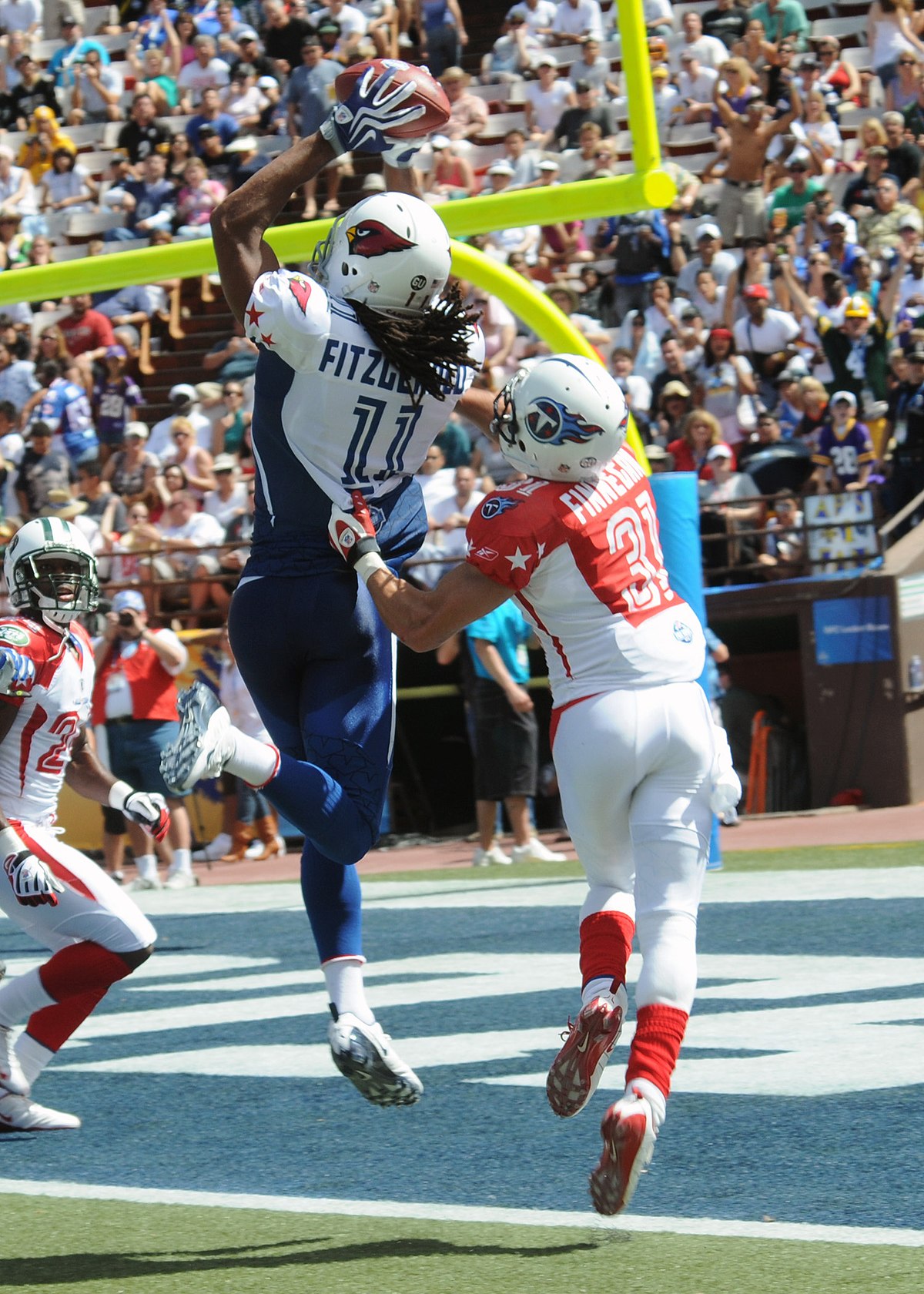
A touchdown is worth six points, followed by a choice: kick an extra point for one, or run a play from close range for two. Field goals are worth three and can be attempted from anywhere, though beyond about 55 yards they become unlikely. The safety, worth two points to the defending team, is the sport's rarest score.
- Touchdown — 6 points
- Extra point kick — 1 point; two-point conversion — 2
- Field goal — 3 points
- Safety — 2 points to the defence, for tackling a ball carrier in their own end zone
The three units
Teams field entirely different personnel depending on the situation. This platoon system is why NFL rosters carry 53 players for an 11-a-side sport, and why a specialist may play only a handful of snaps per game.
- Offence — quarterback, linemen, running backs, receivers
- Defence — linemen, linebackers, cornerbacks, safeties
- Special teams — kickers, punters, returners and coverage units
Advancing the ball
The offence can run the ball, handing it to a back who carries it forward, or pass it. Only one forward pass is permitted per play and it must be thrown from behind the line of scrimmage. A pass that is not caught is incomplete and the down is simply lost; a pass caught by the defence is an interception and possession changes immediately.
The clock
A fifteen-minute quarter takes far longer in real time because the clock stops constantly — on incomplete passes, when a runner goes out of bounds, and after scores. Managing it is a distinct skill: teams trailing late deliberately throw towards the sideline, and teams leading run into the middle of the field to keep it moving.
- Play clock — 40 seconds to snap the ball between plays
- Two-minute warning — an automatic stoppage near the end of each half
- Timeouts — three per team per half
Penalties
Officials throw a yellow flag and the offending team loses yardage, sometimes along with an automatic first down. There are more than a hundred possible infractions, but a handful account for most of what you will see.
- False start — an offensive player moves before the snap; 5 yards
- Holding — grabbing a player without the ball; 10 yards
- Pass interference — impeding a receiver; the ball is placed at the spot
- Roughing the passer — late or dangerous contact on the quarterback
